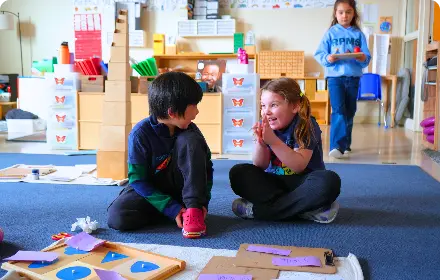
Toddler: Ages 2 to 3

THE FIRST STEPS INTO MONTESSORI LEARNING

WHAT MONTESSORI

SAYS ABOUT TODDLERS

Two- to three-year-olds are in Montessori’s first plane of development, when their world is expanding quickly and they’re eager to explore. Leaving home for school can feel like a big step—for children and parents alike—so building security and confidence is an important part of the Toddler experience.

Toddlers learn naturally by moving, exploring, and trying things again and again. Teachers create a classroom just for them, offering gentle guidance while giving children plenty of opportunities to discover what they can do on their own.

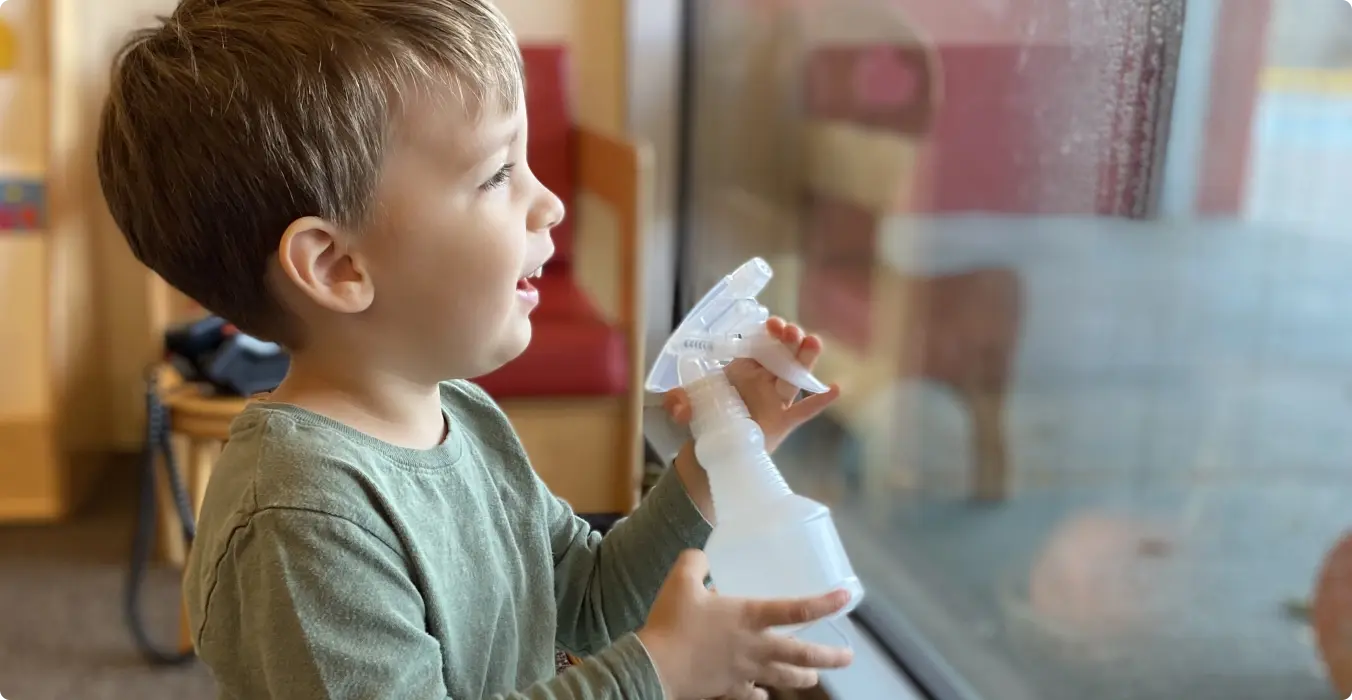
Toddlers are ready to “do it myself.” Everyday experiences like washing hands, pouring water, preparing food, and helping to clean up after snack help build real independence and confidence.

ABOUT OUR

TODDLER PROGRAM

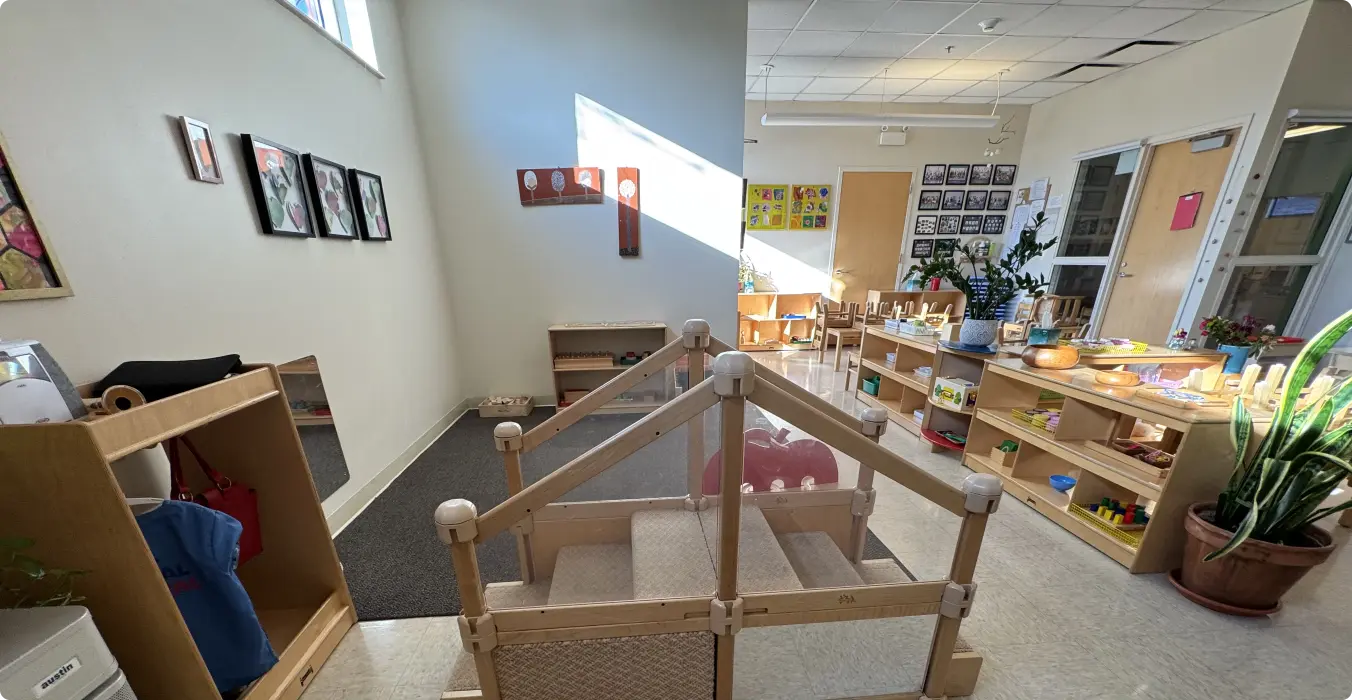
Our Toddler classrooms, Sassafras and Willow, offer a gentle transition from home into a larger community. In thoughtfully prepared environments designed especially for 2- and 3-year-olds, children are given the security to explore, the freedom to make small choices, and the guidance they need as they take their first steps toward independence.

Children must be 2 years old by September 1 to enter our Toddler program.

From the very first day, children in our toddler program explore concepts like:

  • Order (where things belong and what comes next)
  • Language (vocabulary and self-expression)
  • Movement (coordination and body control)
  • Sensory awareness (making sense of what they see, hear, touch, taste, and smell)
  • Concentration (building focus through repetition)
  • Grace and courtesy (kindness, respect, and care for others)
  • Independence (confidence in doing things for themselves)

These Montessori concepts come to life in everyday moments large and small.

RESPONSIBILITY

Every child — even the youngest — places their coat on a hook, stores their boots in a locker, and puts their supplies in their cubbies.

CONFIDENCE

There’s real joy in mastering something new: putting on their own shoes for the first time, watering a classroom plant without help, or proudly cleaning up after snack.

INDEPENDENCE

Teachers give children time to try tricky tasks before stepping in. They offer just enough help to keep them moving forward while preserving the child’s satisfaction of doing it themselves.

A TYPICAL DAY IN THE RPMS

TODDLER PROGRAM

Children do not need to be toilet trained to attend the RPMS toddler program.

Toddler Morning Schedule:

8:25 A.M.

Children arrive with their parents or caregivers and say goodbye as they head to their cubbies to remove outdoor clothes, put on indoor shoes, and greet their teacher.

8:30–9:45 A.M.

Children choose activities and work independently during the morning work cycle.

9:45–10:00 A.M.

Community Time: Singing, games, and movement

10:00–10:10 A.M.

Bathroom, diapering, and handwashing

10:10–10:30 A.M.

Snack time

10:30–11:10 A.M.

Playground/gym

11:10–11:15 A.M.

Dismissal

Toddler Afternoon Schedule:

11:10–11:30 A.M.

Lunch prep

11:40 A.M. TO 12:10 P.M.

Lunch time

12:10 TO 12:25 P.M.

Bathroom, diapering, and handwashing

12:25 TO 2:35 P.M.

Nap time

2:35 P.M.

Bathroom, diapering, and handwashing

2:35 TO 3 P.M.

Snack time

3 TO 3:10 P.M.

Story time and transition

3:15 P.M.

Afternoon dismissal

Clover Aftercare Schedule:

3:15 TO 4:30 P.M.

Free play

4:30 TO 4:45 P.M.

Bathroom, diapering, and handwashing

4:45 TO 5:15 P.M.

Snack time

5:15 TO 6 P.M.

Playground/gym

IN THE

CLASSROOM

Toddlers learn by doing. Their Montessori classroom is intentionally designed to empower them to explore, make choices, practice new skills, and discover just how much they can do for themselves.

Parents can expect their toddlers to:

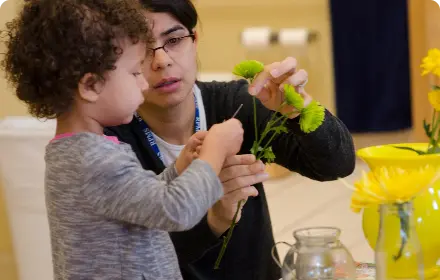
  • Practice everyday life skills like setting the table for snack, washing dishes, arranging flowers, and caring for their classroom.
  • Build spoken language skills through singing, rhyming, poetry, stories, conversation, and Montessori language materials.
  • Explore their five senses while strengthening fine motor skills and concentration through activities like pouring, scooping, sorting, sweeping, and washing.
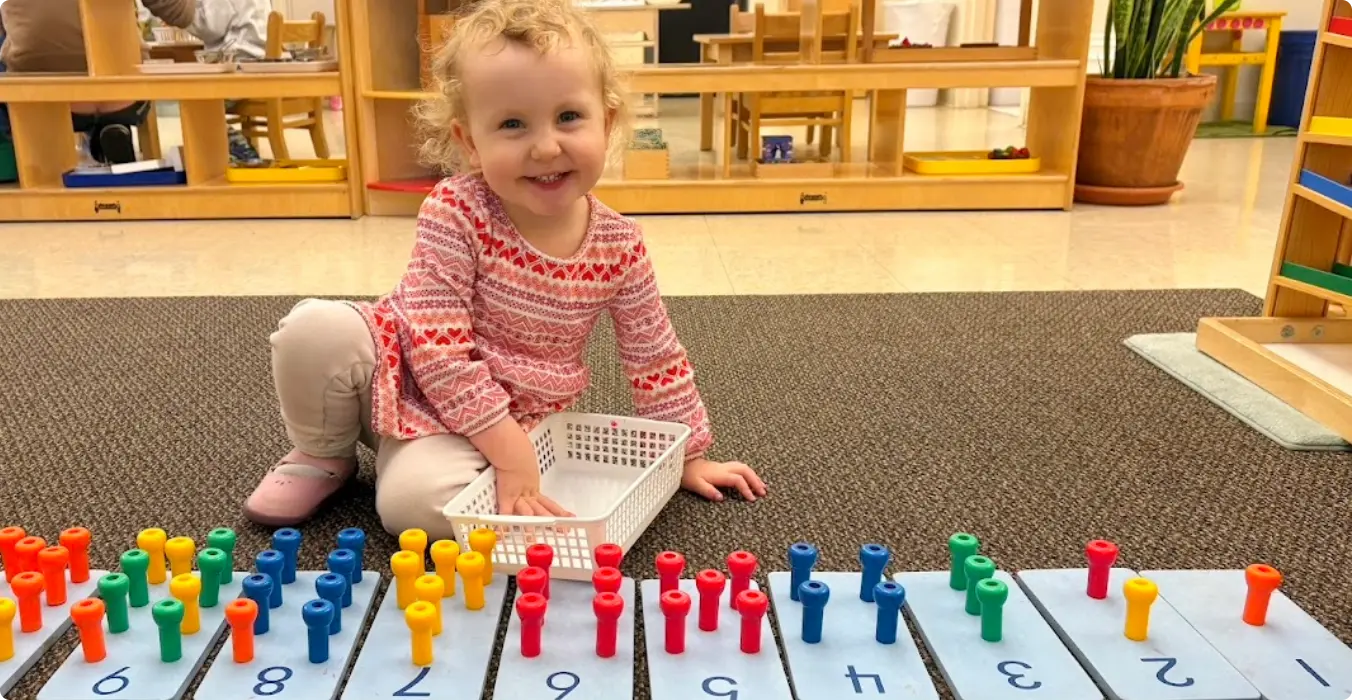
  • Begin exploring early math concepts like counting, quantity, and matching one object to one number through cubes, number blocks, puzzles, and other hands-on materials.
  • Develop a growing sense of self and belonging, building confidence, respect for others, and an understanding of their place within the classroom community.

YOU MIGHT BE

WONDERING...

Q: Does my child need to be toilet trained?

A: No. Children do not need to be toilet trained to join the RPMS Toddler program. Diapering, handwashing, and bathroom visits are all part of the daily routine. Teachers meet children wherever they are in the process and help them gradually build confidence with these important self-care skills.

A: Families may choose either a four-day schedule, Tuesday through Friday, or a five-day schedule, Monday through Friday. Early arrival is available beginning at 7:30 a.m., with dismissal options at 11:15 a.m., 3:15 p.m., or 6 p.m. Children who stay beyond the morning program eat lunch and nap at school, while those who remain through 6 p.m. enjoy additional time for snack, free play, and outdoor or gym activities.

Our school year begins just after Labor Day and continues through the first full week of June. We also offer nine weeks of summer camp—even for our youngest students—to provide families with additional continuity and coverage throughout the summer.

A: For many toddlers, RPMS is their first experience separating from a parent or caregiver—and our teachers understand that this transition may take time. They create predictable routines, offer plenty of reassurance, and help each child begin forming trusting relationships within the classroom. As children become familiar with their teachers, classmates, and daily rhythm, uncertainty gives way to a growing sense of confidence and belonging.

EXPLORE LIFE

AT RPMS

Where children learn to follow their own lead — right here in Chicago’s Andersonville neighborhood.

Admissions

Information about joining the RPMS community, including admissions, tuition, and financial aid.

Our programs

Each stage of our Montessori journey builds confidence, independence, and a lifelong love of learning.

Our values

Our shared values guide us to peace within self, relationships, school, community, and the greater world.