
Our most memorable school moments are often rooted in the extraordinary. A field trip to a wildlife habitat. A thrilling theater-class monologue. A group project that challenged you to invent an entirely new world.
Those memorable moments don’t happen by accident. They’re woven into everyday life through our co-curricular programs. Here, children discover new passions through self-expression, movement, cultural exploration, creative problem-solving, engineering, and the arts. Along the way, they build confidence, uncover new strengths, and begin to see themselves in new ways.
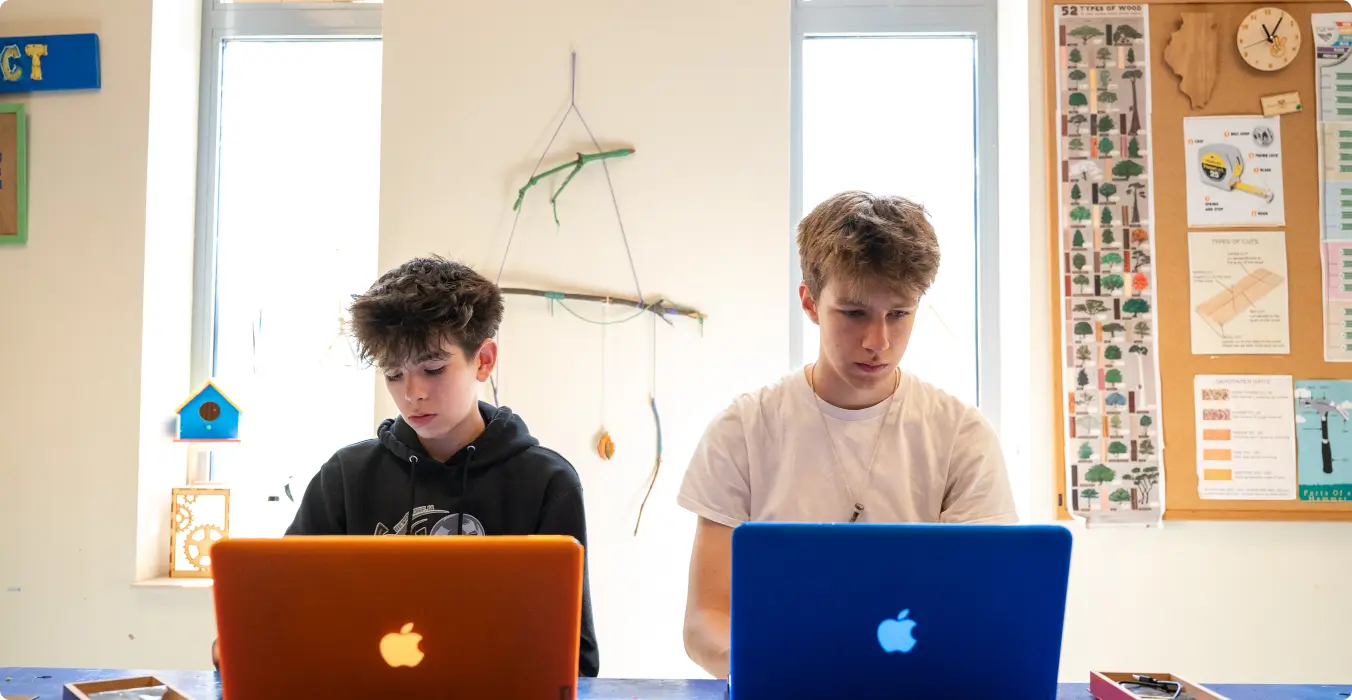
Children learn to question, examine and verify what they read and watch on social media, and how practice relates to peace.
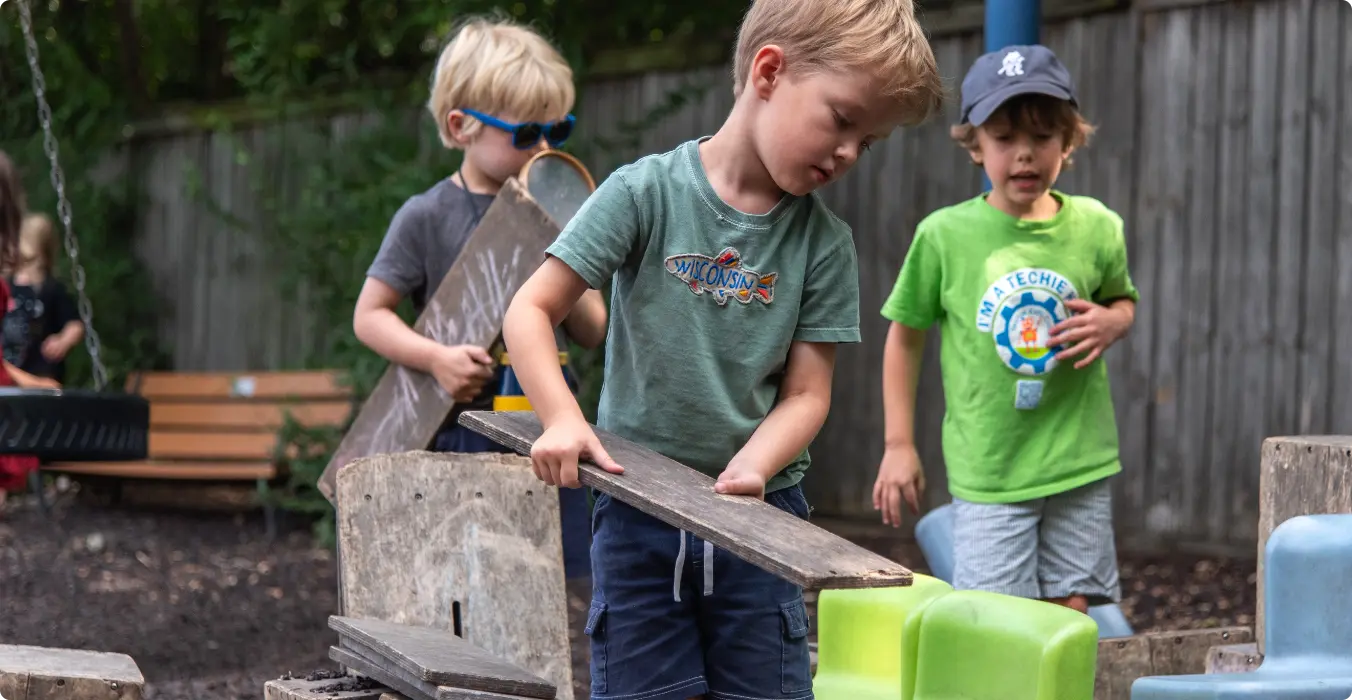
Upper Elementary students use 3-D technology to design and print accessibility devices like ramps and easy-open cans.
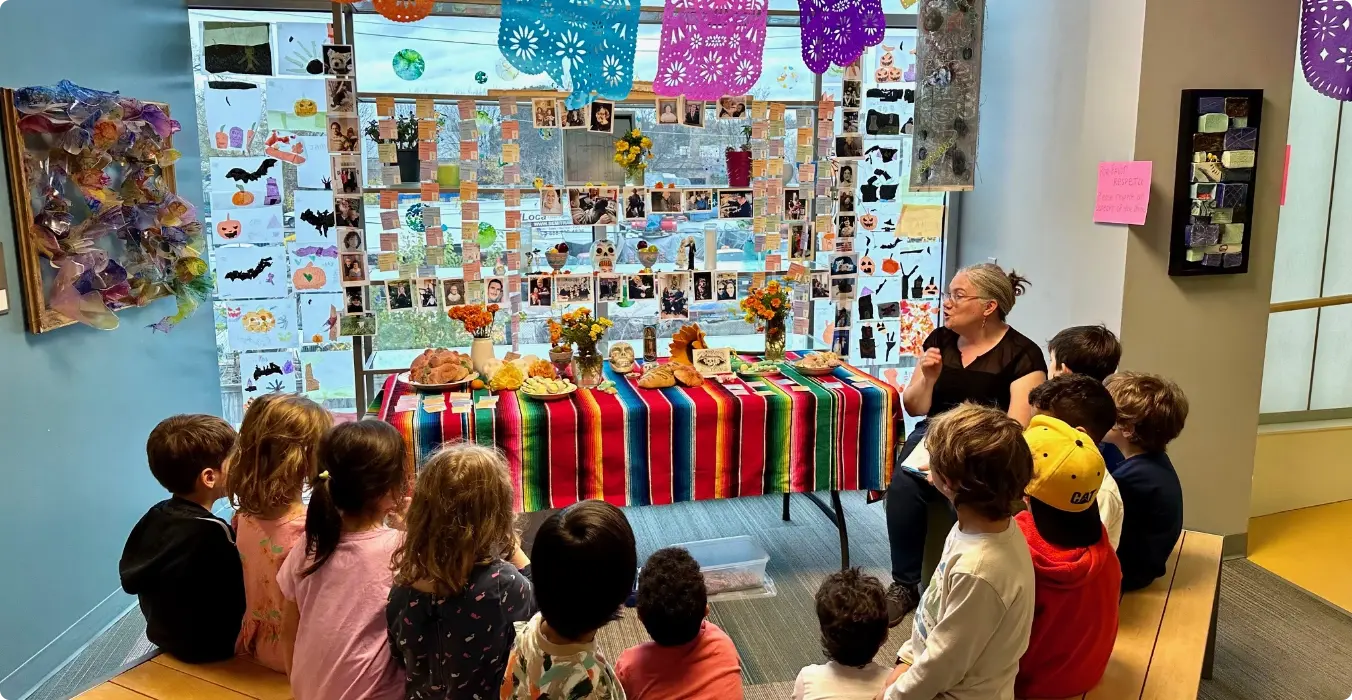
Students of all ages celebrate Día de los Muertos by building ofrendas and sharing special meals.
The arts give children opportunities to express themselves creatively, take meaningful risks, and discover new ways of seeing the world. The RPMS Arts curriculum teaches children to appreciate art and put their own creative ideas into practice. We actively celebrate and encourage diverse perspectives throughout our school, and our arts program gives children a space to learn, experiment, and create.
Our programs help students cultivate their individual skills, talents, and interest through critical thinking and specialized instruction. RPMS is an affiliated member of the NAEA: National Art Educational Association and NAfME: The National Association for Music Education.
Our vision includes the belief that:
1
The arts encourage each of our students to work in a creative, cooperative, and collaborative manner while promoting expression through independent thought.
2
A strong Montessori program supports the artistic potential of our students through the exploration of the prepared environment in art, music, and drama.
3
While preserving the three-hour Montessori work cycle in the morning, RPMS offers daily afternoon instruction in the arts. Independent projects are integrated within the classroom curriculum.
4
Students learn best in a safe and creative environment with caring specialists that teach to the whole child without formal assessment.
5
Arts programs are based on National Standards, and are guided by TAB and choice-based art guidelines.
6
Instruction by practicing artists with high standards in teaching and learning enables each student to reach his/her full artistic potential.
7
The beauty and vulnerability of the process is valued and celebrated as much as the final outcome of the student work.
8
The arts program fosters community with all-school art initiatives, performances, and community philanthropic partnerships.
Children turn ideas into action in the RPMS Innovation Studio. They learn through hands-on design, building, tinkering, and technology — planning projects, testing ideas, troubleshooting challenges, collaborating, and trying again. As children grow, so do the tools they use and the complexity of the problems they’re ready to solve.
At RPMS, physical education is a true co-curricular, extending classroom learning through movement. Games and activities bring academic and cultural concepts to life, giving children another way to explore ideas, reinforce vocabulary, and deepen understanding. Along the way, they build physical skills while strengthening cooperation, independence, problem-solving, and sportsmanship.
LOWER ELEMENTARY:
UPPER ELEMENTARY:
At RPMS, children learn Spanish by using it. Beginning in Kindergarten, our Spanish program builds communication skills, cultural understanding, and confidence through authentic, engaging experiences rather than textbooks, conjugation charts, or grammar drills. As children grow, they develop increasingly sophisticated speaking, listening, reading, and writing skills while exploring the cultures and perspectives of Spanish-speaking communities in Chicago and around the world.
Learning Spanish also helps children connect more deeply with the city they call home. Students experience Spanish-speaking cultures beyond the classroom through opportunities such as visits to the National Museum of Mexican Art, arts performances, and RPMS’s annual Día de Muertos celebration.
Students in Kindergarten and older meet with our two Spanish teachers in our dedicated Spanish classroom. RPMS’ Spanish curriculum does not include textbooks, conjugation charts, or workbook pages with grammar drills. Instead, students learn through authentic activities, with the goal of achieving communication and global competency.
Years of increasingly sophisticated Spanish study translate into meaningful proficiency by 8th grade. Many RPMS graduates earn the Seal of Biliteracy, and the vast majority place into Spanish II or higher as high school freshmen, with some placing into Spanish III or IV.
Students also put their language and cultural learning into practice during an immersive capstone trip to Costa Rica, where they:
A: Co-curriculars are part of the RPMS school-day curriculum, not optional extras. For our youngest students, art and music are woven into classroom life. As children grow, they begin traveling to dedicated spaces for instruction in the arts, Spanish, physical education, and Innovation Studio.
A: Often, yes—but they also have meaningful curricula of their own. A P.E. game might bring a geography or science lesson to life. Spanish themes connect language with students’ daily lives, while art, drama, and Innovation Studio offer new ways to interpret an idea or solve a problem. Children encounter their learning from another angle, and sometimes a concept clicks because they moved it, built it, performed it, or created something from it.
A: Technology is introduced gradually and with a clear purpose. In Innovation Studio, children begin by making things with their hands and learning how to bring an idea to life. Older students add tools such as 3-D printers and laser cutters, then examine how algorithms, artificial intelligence, and social media shape their world. Technology supports the thinking; it doesn’t replace it.
Where children learn to follow their own lead — right here in Chicago’s Andersonville neighborhood.
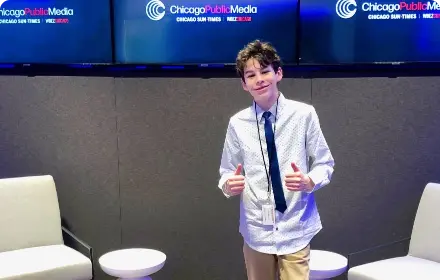
Information about joining the RPMS community, including admissions, tuition, and financial aid.
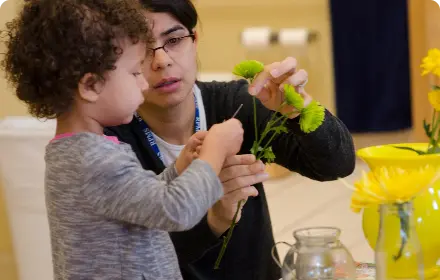
Each stage of our Montessori journey builds confidence, independence, and a lifelong love of learning.
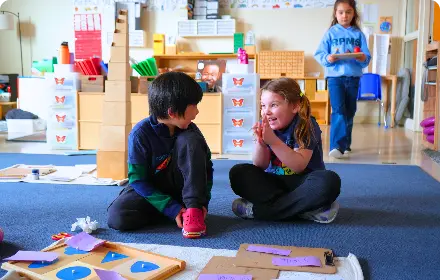
Our shared values guide us to peace within self, relationships, school, community, and the greater world.