The Montessori Way

WHERE CHILDREN GROW INTO THEMSELVES

WHAT MAKES MONTESSORI

EDUCATION DIFFERENT?

Montessori education is guided by the work and writings of Maria Montessori (1870-1952). At its core, the philosophy is simple: to follow the child.

We believe every child is a unique person, naturally driven to grow, develop, and learn.

The goals of Montessori education include:

  • A lifelong love of learning that grows from natural curiosity and a desire to explore the world.
  • The confidence to make meaningful choices about their own learning while working at a pace that’s right for them.
  • Respect for themselves, others, and the environment, with the understanding that peace begins in our everyday actions.

INSIDE OUR

MONTESSORI CLASSROOMS

The RPMS curriculum is designed to be flexible, remove limitations, and inspire confidence. Each of our multi-age classrooms are centered around the child, the prepared environment (classroom), and the adult (teacher/guide).

Children…

  • Are treated and respected as individuals.
  • Learn at their own pace and style, instead of progressing as a group.
  • Choose meaningful work independently while learning to manage their time, responsibilities, and interests.
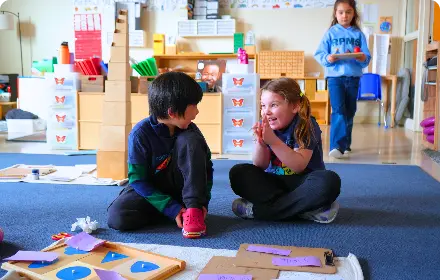
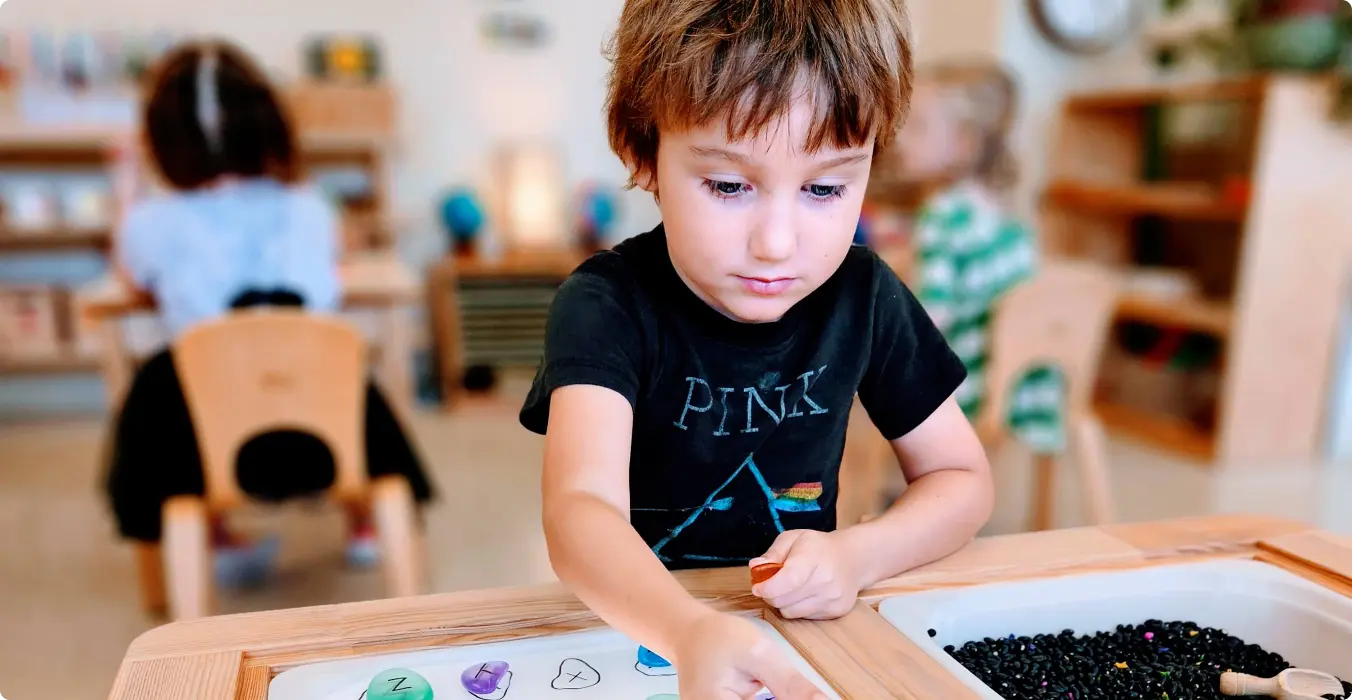
  • Learn through hands-on Montessori materials rather than primarily through screens or devices.
  • Build social and academic skills by learning individually and collaboratively.

Classrooms…

  • Are designed to meet the needs and interests of each child — not one-size-fits all learning.
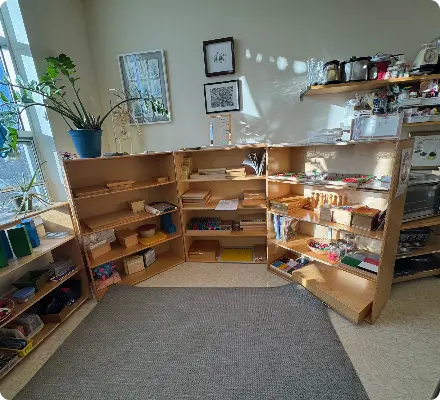
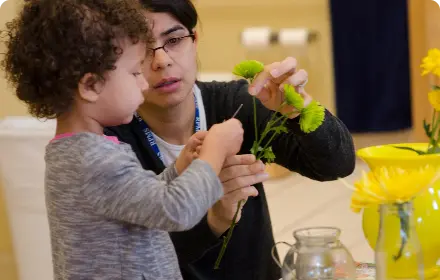
  • Offer a carefully prepared environment that encourages movement, concentration, and independence.
  • Feature time-tested materials used for decades by students around the globe, which are arranged sequentially by subject within the classroom.

Teachers…

  • Are also known as “guides,” and get to know each child individually.
  • At RPMS, children and teachers call each other by their first names.
  • Present lessons individually or in small groups throughout the day, rather than conducting one-to-all lectures.
  • Observe each child carefully, introducing lessons and guidance at the moment they’re ready to grow.
  • Create and refine a thoughtfully prepared classroom where children can work independently, progress in their work, and thrive socially and emotionally.
  • Hold regular conferences with their students and review their daily/weekly work to ensure accountability and success.
  • Actively ensure the safety of every child through mutually understood ground rules.

About our mixed-age classrooms

Maria Montessori and other developmental theorists defined four distinct periods, or planes, of growth. Children experience specific cognitive, social, physical, moral, and emotional changes during these periods.

First Plane

0 – 3 years (Infant/Toddler)

3 – 6 years (Early Childhood)

Second Plane

6 – 9 years (Lower Elementary)

9 – 12 years (Upper Elementary)

Third Plane

12 – 15 years (Middle School)

This structure ensures children in our mixed-age classrooms are at a similar developmental phase while allowing them to learn at their own pace — individually, and from one another.

ABOUT MARIA

MONTESSORI

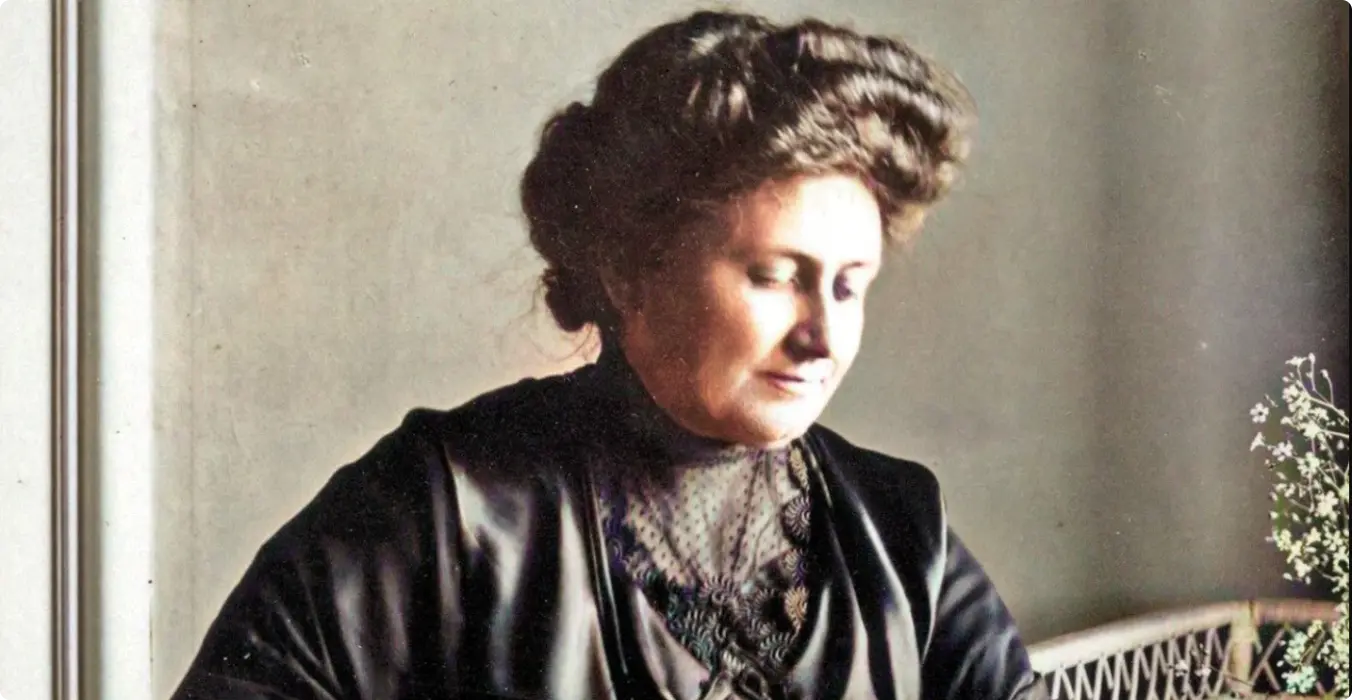
Dr. Maria Montessori (1870-1952), was an Italian physician and educator who applied scientific observation and experimentation to design a new child-centered learning model. The success of her methods, which showed increased concentration and discipline, led to widespread acclaim and the adoption of Montessori education around the globe.

Growth is not merely a harmonious increase in size, but a transformation.

—DR. MARIA MONTESSORI

PEACE

EDUCATION

At RPMS, peace is more than a topic we teach. It’s something children practice every day. Through meaningful work, respectful relationships, thoughtful communication, and care for one another and the world around them, children learn that peace begins with everyday choices.

Both parents and teachers are responsible for guiding peace education and modeling alternative ways of thinking and acting.

How we promote peace at RPMS:

  • Teaching strategies for constructive problem solving
  • Establishing a safe climate where acts of bullying are not tolerated
  • Fostering a sense of community
  • Being respectful of one another and individual beliefs
  • Care of all living things
  • Developing language to express feelings and ideas
  • Exposing children to global geographies and cultures
  • Gaining a fuller understanding of our roles in the global community
  • Teaching children about the environment and how to preserve our fragile planet
  • Helping children acquire age-appropriate techniques to peacefully resolve problems

We shall walk together on this path of life, for all things are part of the universe and are connected with each other to form one whole unity.

DR. MARIA MONTESSORI

COSMIC

EDUCATION

All things on Earth are tied together: past, present, and future. This Montessori concept, known as Cosmic Education, invites children to see the world as an interconnected whole. Through the study of history, geography, science, culture, and the natural world, children begin to understand how everything is connected – and how each person has a meaningful role to play.

As children deepen that understanding, they also develop respect for cultural diversity, appreciation for different perspectives, and a growing sense of responsibility for one another and the world they share. They learn that creating a welcoming, respectful, and peaceful community is the responsibility of each of us.

EXPLORE LIFE

AT RPMS

Where children learn to follow their own lead — right here in Chicago’s Andersonville neighborhood.

Admissions

Information about joining the RPMS community, including admissions, tuition, and financial aid.

Our programs

Each stage of our Montessori journey builds confidence, independence, and a lifelong love of learning.

Our values

Our shared values guide us to peace within self, relationships, school, community, and the greater world.