Recently, I was walking in the neighborhood when I noticed an ad that I haven’t stopped thinking about. It featured a child wearing headphones and sitting in front of a computer alongside the message, “Ready for the Future.”
Advertisements like this reveal what our society believes is important—and, perhaps even more, what we picture when we think about school. But does being “ready for the future” simply mean becoming comfortable with the latest technology? What does it really mean to prepare a child for a future none of us can see?
If you’ve ever talked with a neighbor, relative, or colleague about education, you know that everyone carries a different image of what school should be. We continue to debate its purpose and priorities. Are we teaching children how to think or what to think? What does knowledge look like in a world where information is constantly changing? How do we prepare our children for a world we cannot yet imagine?
Maria Montessori grappled with these questions, too. In her lifetime, the prevailing model of school was top-down and authoritative. Children were largely passive participants in the learning process, expected to memorize facts rather than develop the skills to pursue understanding for themselves. Montessori’s revolutionary perspective offered a different model—one centered on preparing children not just for the next grade, but for life.
At RPMS, we believe a strong education must give children both knowledge and meaningful practice using it. School is where they learn to make choices, work through problems, contribute to a community, and recognize when they need guidance. We cannot know exactly what the world will ask of today’s children. We can help them develop the curiosity, judgment, and confidence to meet it.
Here are just a few of the ways a Montessori education prepares a child:
- Children assume responsibility for their own learning. With guidance from their teachers, they learn to plan their work, use their time well, and take increasing ownership of their progress.
- Freedom is balanced with order and responsibility. Children have room to follow their curiosity within a thoughtfully prepared environment. Over time, they develop self-discipline and an internal sense of purpose and motivation.
- Children practice making choices from an early age. Rather than always waiting for an adult to decide what comes next, they learn to consider their options and make purposeful decisions.
- Collaboration is woven throughout the school day. Montessori students regularly exchange ideas, solve problems, and work alongside both peers and adults.
- Children learn to ask questions and seek out resources. Problem-solving does not mean figuring everything out alone. It also means knowing how to ask for help and where to look for the information or support they need.
- Children learn to work through conflict. They practice listening, speaking honestly, and finding a path forward with their peers. They discover that people can disagree and still maintain respect and friendship.
Life will inevitably bring stress, uncertainty, frustration, and disappointment. We want children to meet those moments knowing how to think, adapt, ask for help, and keep going. This is how Montessori prepares children for the future—not by attempting to predict every change ahead, but by helping them become capable learners who are ready to meet change when it comes.
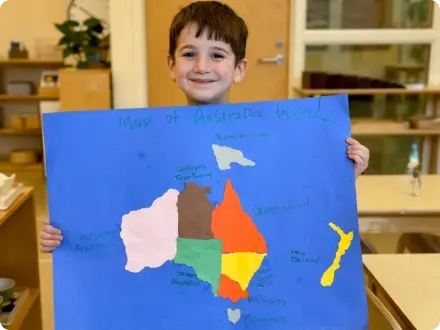
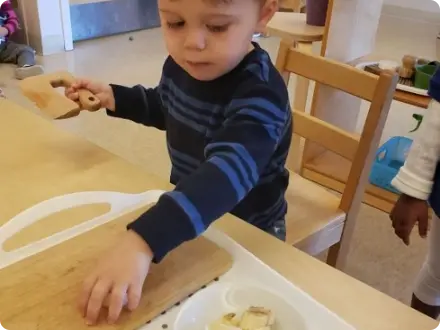
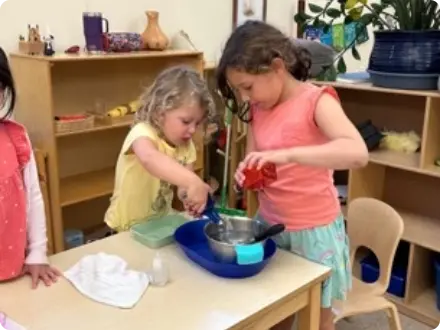
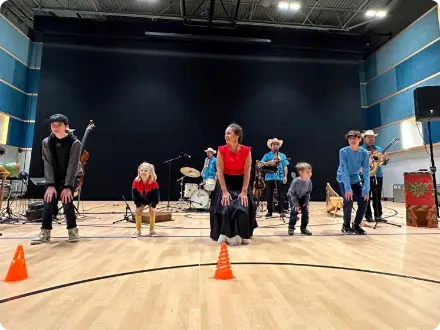
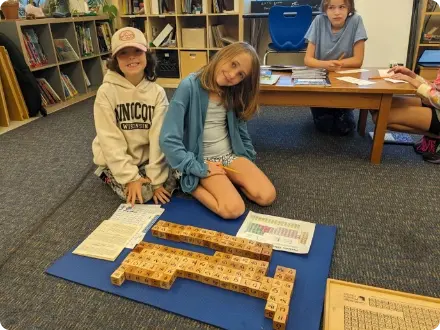
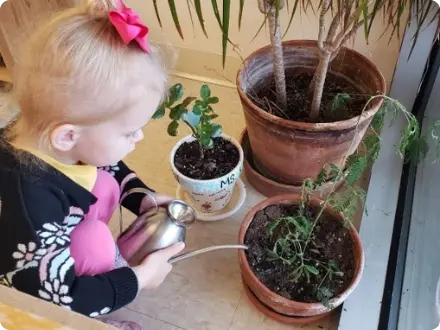
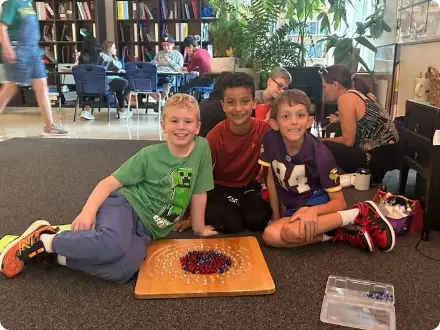
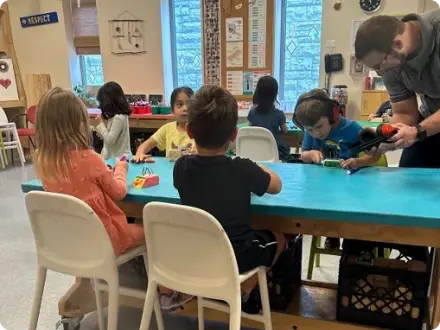
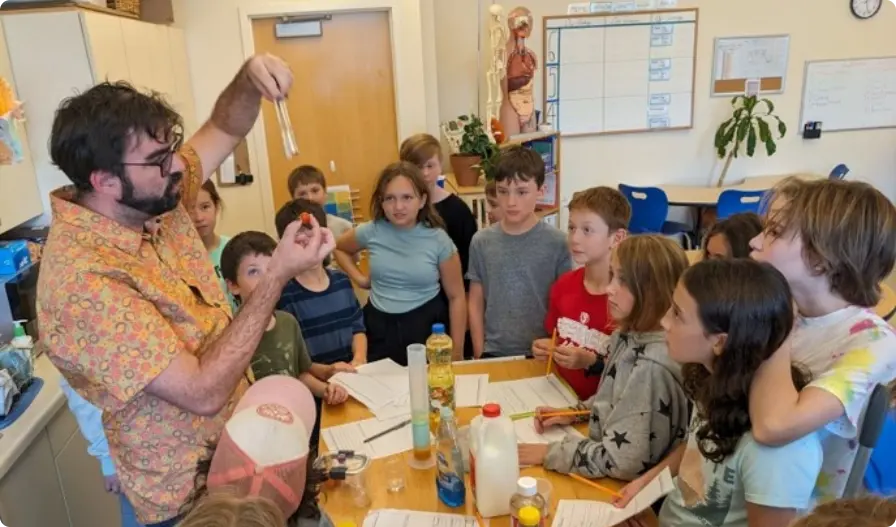
The images below offer a few glimpses of what that preparation looks like in the everyday lives of RPMS students. Together, they invite us to broaden our vision of school.